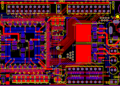
Exploring the seamless integration of Altium Auto Route in Automotive PCB Design, this article delves into the intricacies of optimizing layouts and enhancing productivity.
Detailing the advantages and customization options, it aims to provide a comprehensive guide for designers in the automotive industry.
Understanding Altium Auto Route Integration in Automotive PCB Design
Auto routing in Altium refers to the automated process of routing traces on a PCB layout based on a set of user-defined design rules and constraints. This feature allows designers to quickly and efficiently route connections between components without the need for manual routing, saving time and reducing the likelihood of errors.
Optimizing Automotive PCB Layouts with Altium’s Auto Routing
Auto routing in Altium plays a crucial role in optimizing automotive PCB layouts by ensuring efficient signal integrity, minimizing interference, and reducing manufacturing costs. By automatically routing traces according to specified design rules, Altium helps designers achieve a more compact and reliable layout tailored to the specific requirements of automotive applications.
- Altium's auto routing feature can help address challenges such as minimizing signal crosstalk in high-speed automotive systems by ensuring proper trace spacing and impedance control.
- With the ability to automatically route differential pairs, Altium assists in maintaining signal integrity for critical communication lines in automotive PCB designs.
- Altium's auto routing capability also aids in optimizing power distribution networks by efficiently routing power and ground traces to minimize voltage drops and ensure stable operation of automotive electronic systems.
Benefits of Integrating Altium Auto Route in Automotive PCB Design
Using Altium's auto routing feature in automotive PCB design offers several advantages that can significantly impact the efficiency and productivity of projects in the automotive industry.
Advantages of Altium Auto Routing in Automotive Design
- Efficiency: Altium's auto routing feature can automatically optimize the routing paths on a PCB, reducing the time and effort required for manual routing. This results in faster design completion and higher productivity.
- Accuracy: By utilizing automated routing algorithms, Altium ensures precise and error-free routing, minimizing the risk of signal interference, crosstalk, or other layout issues commonly found in manual routing.
- Consistency: Auto routing in Altium maintains a consistent design style throughout the PCB, ensuring uniformity and adherence to design rules and standards set for automotive applications.
- Time-to-Market: The speed and accuracy of Altium's auto routing capabilities contribute to faster time-to-market for automotive PCB projects, allowing designers to meet tight deadlines and deliver products more efficiently.
Customization Options for Auto Route in Altium for Automotive PCBs
Altium provides a range of customization options for auto routing in automotive PCB design, allowing designers to fine-tune the routing parameters to meet specific requirements.
Flexibility in Routing Parameters
Designers can adjust various routing parameters such as trace width, spacing, and via types to accommodate specific design constraints in automotive applications. This flexibility ensures that the PCB layout meets the required performance and reliability standards.
Constraint Manager
- Altium's Constraint Manager allows designers to define specific design rules and constraints for the auto routing process. This tool enables precise control over routing requirements such as signal integrity, impedance matching, and EMI considerations.
Routing Strategies
- Altium offers different routing strategies such as length matching, differential pair routing, and high-speed design guidelines. Designers can choose the appropriate routing strategy based on the specific requirements of the automotive PCB design.
Interactive Routing
- Altium's interactive routing feature allows designers to manually adjust the routing paths generated by the auto router. This capability is particularly useful for fine-tuning critical signal paths or resolving design constraints that cannot be automated.
Best Practices for Utilizing Altium Auto Route in Automotive PCB Design
When working on automotive PCB designs, it is crucial to follow best practices to ensure optimal utilization of Altium's auto routing feature. By implementing expert tips and avoiding common mistakes, you can streamline your workflow and achieve better results.
Efficient Workflow Incorporation
- Before starting the auto routing process, ensure that your schematic design is well-organized and all components are properly placed. This will help the auto router make informed decisions.
- Divide your PCB layout into multiple sections or zones based on functionalities or signal types. This will allow for better control over the routing process and avoid signal interference.
- Set up design rules and constraints accurately to guide the auto router in making routing decisions that align with your design requirements.
Maximizing Auto Routing Effectiveness
- Utilize the interactive routing feature in Altium to manually guide critical traces or high-speed signals before running the auto router. This can help maintain signal integrity.
- Regularly review and optimize the auto-routed traces to ensure they meet impedance requirements and adhere to design rules. Manual adjustments may be necessary for fine-tuning.
- Run design rule checks (DRC) after auto routing to identify any violations or errors that may have been overlooked. Address these issues promptly to prevent functionality or performance issues.
Common Mistakes to Avoid
- Avoid relying solely on auto routing without manual intervention, especially for critical or sensitive signal paths. Manual routing may be necessary for achieving optimal performance.
- Overlooking design rule constraints or setting incorrect parameters can lead to routing errors or signal integrity issues. Double-check your settings before initiating the auto routing process.
- Skipping thorough signal integrity analysis after auto routing can result in signal reflections, crosstalk, or other signal integrity issues. Always validate the integrity of your routed signals.
Final Wrap-Up
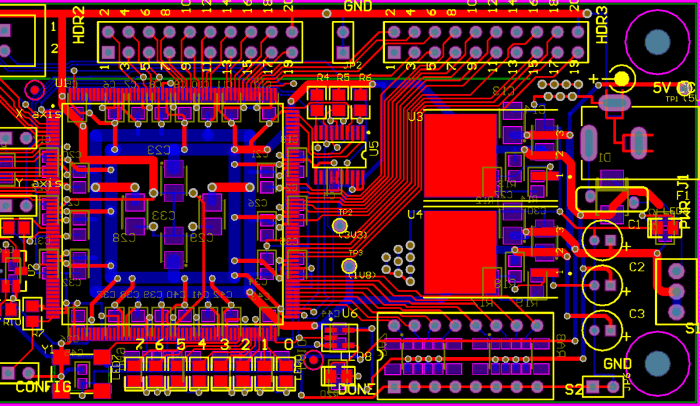
Concluding our discussion on Altium Auto Route's role in Automotive PCB Design, it's evident that this tool revolutionizes the design process, offering efficiency and flexibility.
Essential FAQs
How does Altium's auto routing feature optimize automotive PCB layouts?
Altium's auto routing feature helps streamline the layout process by automatically finding the most efficient routing paths, reducing design time and ensuring signal integrity.
What are some common mistakes to avoid when using Altium's auto route feature in automotive PCB design?
Common mistakes include over-reliance on auto routing without manual verification, neglecting design constraints, and not adjusting routing parameters for specific requirements.
Can designers customize auto routing parameters in Altium for automotive PCBs?
Yes, designers can tailor auto routing parameters in Altium to meet specific requirements of automotive PCB designs, allowing for flexibility and optimization.